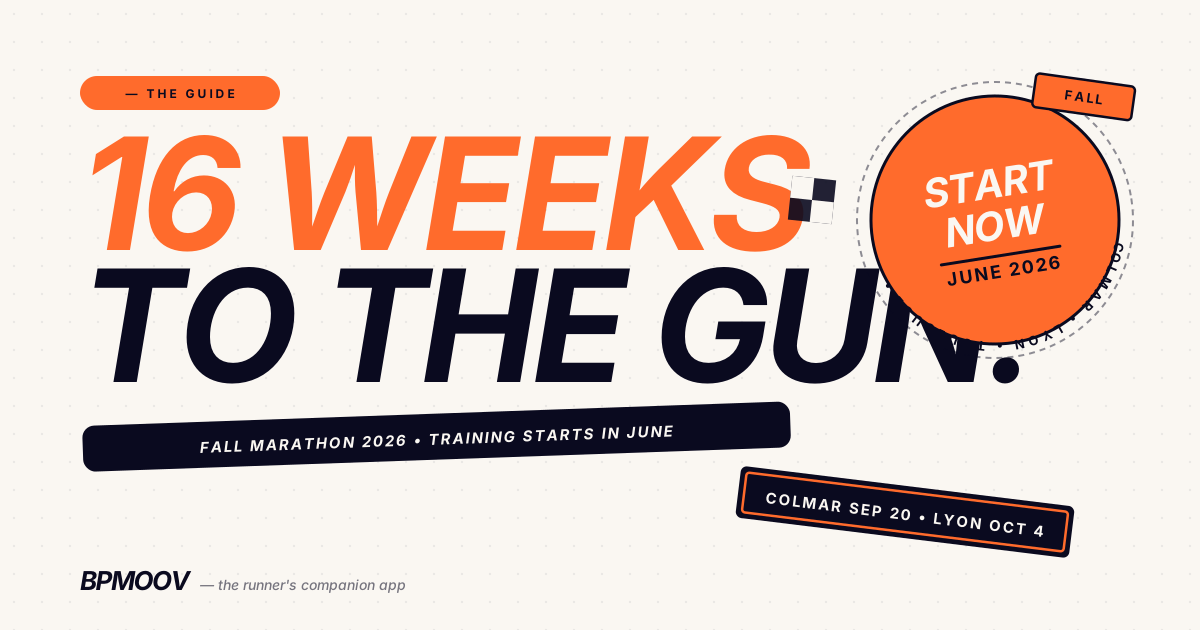
Fall Marathon 2026: When to Start Training (and Which Race to Target)
TL;DR: marathon training counts backward from the finish line — 16 weeks if you already have a base, 18 to 20 for a first marathon. For Colmar (September 20) and Millau (September 26), training starts this week. For Run In Lyon (October 4), mid-June. For the Marathon du Cher (October 11), late June. For Toulouse (November 1) and Nice-Cannes (November 8), mid-July. June is the month that decides it all.
Fall is marathon season in France and across Europe. Cooler air, fast courses, and the year's best races stacked from September to late November. But a good marathon isn't decided three weeks out — it's built over three to five months. And that countdown starts now.
This guide tells you exactly when to start training based on the race you're targeting, how many weeks you need for your level, and how to pick the fall marathon that fits you.
The golden rule: count backward from the finish line
The day your training starts isn't a mood — it's a date, and you can calculate it. Take your race date, subtract the number of weeks in your plan, and you get your start line. A standard marathon plan runs 16 weeks. If you're new to it, allow 18 to 20 weeks to build a solid base without getting hurt. If you're seasoned, 12 to 14 weeks can be enough.
The takeaway is simple: for late-September and early-October marathons, your training start line is June.
When to start, race by race
Here's when to begin a 16-week build for six big French events of fall 2026. Beginners: push your start back another 2 to 4 weeks.
| Marathon | Race date | Start of a 16-week build |
|---|---|---|
| Colmar Marathon | Sunday, September 20, 2026 | right now (16 weeks = late May) |
| Millau Marathon | Saturday, September 26, 2026 | around June 6 |
| Run In Lyon | Sunday, October 4, 2026 | around June 14 |
| Marathon du Cher | Sunday, October 11, 2026 | around June 21 |
| Toulouse Métropole Run Experience | Sunday, November 1, 2026 | around July 12 |
| Nice-Cannes Marathon | Sunday, November 8, 2026 | around July 19 |
If Colmar or Millau is your goal, you can't afford to wait — it starts this week. For Lyon and the Cher, mid-to-late June. For Toulouse and Nice-Cannes you still have a few weeks, but it's the right moment to lay the base and keep your endurance ticking over.
→ Download BPMoov to find your fall marathon, check its date, and set your countdown in two minutes.
How many weeks you need, by level
You're a beginner (first marathon). Aim for 18 to 20 weeks. You should already be able to run 45 to 60 minutes without stopping before starting the plan; if not, add a few ramp-up weeks. The goal isn't speed, it's building volume without breaking down. If it's your very first, read our complete first-marathon guide.
You've run a half marathon. 16 weeks is ideal: you have an aerobic base, so it's about extending it to 30-35 km and adding marathon-pace work.
You're experienced (one or two marathons in the legs). 12 to 14 weeks can be enough if you've never really stopped running. Beyond that, you risk mental burnout and overuse injury.
June–July: what the start of a build looks like
The first weeks aren't flashy, and that's the point. You build the engine before you chase speed.
Most of it is run easy, at a pace where you can hold a conversation. Endurance is built in the easy zone — to dial in your paces and zones, see our VO2 max, heart rate zones and paces guide. Increase volume by no more than 10% per week, with a lighter week every 3 to 4 weeks. The long run grows gradually, and a single quality session per week is plenty at this stage.
The June–July trap is going too hard too soon because you feel fresh and motivated. Keep something in reserve: the hard part comes in August–September.
Choosing the fall marathon that fits you
Not all fall marathons are alike — depending on what you want, some will fit far better than others.
Colmar (September 20) opens the season: a human-scale marathon in the heart of Alsace, ideal if you want to race early in the fall — provided you start training immediately.
Millau (September 26) is the marathon of the legendary 100 km de Millau weekend: a one-of-a-kind ultra atmosphere in France, where the marathon shares the stage with long-distance legends.
Run In Lyon (October 4) is an urban, festive, accessible marathon — a great first marathon in France with crowds the whole way.
The Marathon du Cher (October 11) links Bourges to Vierzon along the Canal de Berry: a human-scale event in a green setting, far from big-city crowds.
Toulouse Métropole Run Experience (November 1) is the South-West's big running weekend: marathon, half, 10K and a marathon relay — something for the whole crew.
Nice-Cannes (November 8) rolls along the Mediterranean from the Promenade des Anglais to the Croisette: one of France's biggest marathons, and a postcard from start to finish.
If you want to compare more French options, our calendar of the 10 marathons to run in 2026 runs through the must-dos. Across Europe, Amsterdam, Frankfurt and Valencia also offer superb fall courses.
Once you've picked your race, save it in BPMoov: you'll get an alert when registration opens (these sell out fast) and a reminder when your training window begins. → Save your race in the app.
The pitfalls of summer training
Training for a marathon in summer has its own rules. Heat slows you down, dehydrates you and distorts your paces: adjust your timing and expectations with our 8 rules for running in the heat. Don't judge your fitness by your speed at 30 °C.
Second pitfall: skipping recovery. Progress happens during rest, not during the effort. Protect your sleep, your easy days and your nutrition — our recovery guide covers it all. Finally, don't skip the taper in the last two weeks: arriving fresh beats one more session.
Your fall is decided by a June decision
The best fall marathon is almost always the one decided early. Choosing your race in June buys you the time to build, to adapt to surprises and to arrive calm. And motivation comes more easily once a date is on the calendar.
BPMoov brings together race registrations for road and trail events across France and Europe — 2,000+ races listed, free, on iOS and Android. Find your fall marathon, save it, and let the app nudge you at the right time. → Download BPMoov.
FAQ
When should you start training for a fall marathon?
Count backward from your race date. For a standard 16-week plan, a build targeting late September (Colmar on the 20th, Millau on the 26th) starts in late May or early June; for early October (Run In Lyon on the 4th, the Cher on the 11th), mid-June. Beginners push their start line back another 2 to 4 weeks.
How long does it take to train for a marathon as a beginner?
For a first marathon, plan 18 to 20 weeks, provided you can already run 45 to 60 minutes without stopping. That window lets you build volume gradually, get the body used to long runs, and limit injury risk without rushing.
Can you train for a marathon in 12 weeks?
Yes, but mainly if you already have a solid base and a marathon or two behind you. Twelve weeks is enough for a regular runner who never really stopped. For a beginner it's too short: injury and fatigue risk rise sharply.
What are the major fall 2026 marathons in France?
Among the events still open: the Colmar Marathon on September 20, the Millau Marathon on September 26, Run In Lyon on October 4, the Marathon du Cher on October 11, Toulouse Métropole Run Experience on November 1 and the Nice-Cannes Marathon on November 8. Across Europe, Amsterdam, Frankfurt and Valencia round out the calendar.
Should you already register for your fall marathon in June?
For popular races, yes: several big fall marathons are already sold out, and the rest fill their bibs months in advance. Spotting and saving your race early — for example in BPMoov — keeps you from missing the registration window.
How do you train for a marathon despite summer heat?
Run early morning or evening, hydrate before, during and after, and accept that you'll slow down: in real heat, pace doesn't reflect your true fitness. Judge effort by feel and heart rate rather than the clock.